

To raise your lactic acid threshold, do structured interval workouts (4–6 repeats of 3-minute efforts at 90–95% max heart rate), strength train with compound movements to boost mitochondrial density, eat nutrients that help buffer acid like beta-alanine, and focus on active recovery methods.
Training in the 85–90% heart rate zone on a regular basis makes it easier for your body to deal with lactate when you work out hard. Within 8 to 12 weeks, these evidence-based tactics can help you run longer by up to 20%.
Threshold Training
When you work out really hard, your body reaches a point where it can’t get rid of lactate fast enough, which is what makes your muscles feel like they’re burning. This crossover point marks the start of your lactic threshold training zone, which is the degree of intensity at which your performance starts to drop quickly.
To raise your lactic acid threshold successfully, you need to know how your body works to build up lactate. Threshold training usually means doing out at 85–90% of your maximum heart rate for a long time, focusing on the level of intensity where your body has trouble clearing.
When you train in this zone a lot, your muscles get better at dealing with exhaustion and become better at using and getting rid of lactate. This change lets you keep up greater intensities for longer before you hit the performance limits that come with threshold breach.

Interval Workouts That Target Lactate Clearance
Structured interval workouts, on the other hand, particularly test and increase your body’s ability to eliminate lactate. These lactate threshold workouts switch between high-intensity training and planned rest times. It helps your muscles learn how to process lactate more quickly.
Try doing 3-minute hard efforts at 90–95% of your maximum heart rate 4–6 times, with 2-minute active recoveries in between. This style builds up a lot of lactate during exercise while giving you just enough time to recover to keep going. Over time, these activities improve your endurance by training your body to keep going even when your muscles are tired.
Schedule these hard intervals once or twice a week for the best results. Make sure to give yourself enough time to rest between sessions so that your growth and adaptation aren’t affected.

Strength Training to Boost Mitochondrial Density
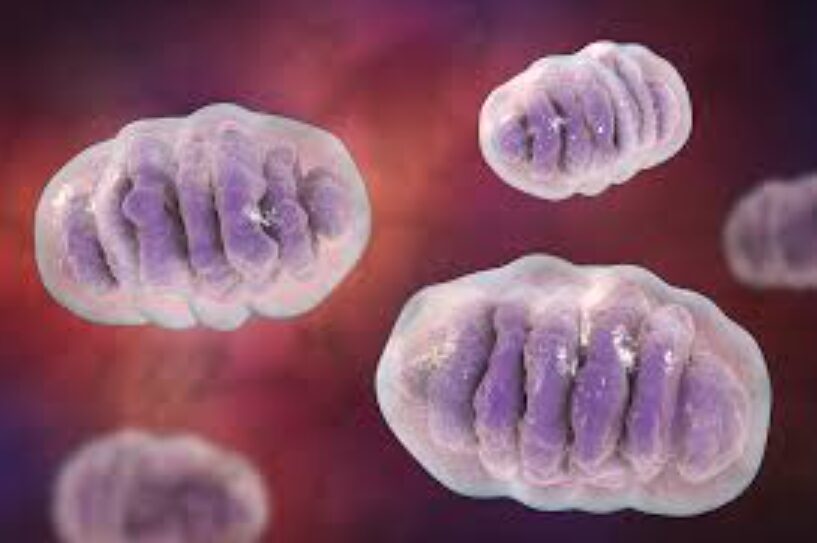
Strength training is an important part of endurance training regimens that people ignored in the past. It helps raise the lactic acid threshold by making muscle cells’ mitochondria more dense. Adding resistance exercises to your routine 2–3 times a week not only makes you stronger, but it also improves your aerobic capacity at the cellular level.
Heavy resistance training makes changes that make your muscles better at buffering, which helps to counteract the acid that builds up during hard work. Do compound activities like squats and deadlifts with weights that are 60–80% of your maximum for 8–12 reps. These activities get anaerobic metabolism going and help mitochondria expand.
What happened? When you do endurance training, your muscles get better at digesting lactate, which raises your threshold and keeps you from becoming tired over long periods of high-intensity exercise.
Nutrition Strategies That Enhance Acid Buffering
Your body’s ability to buffer acids that build up during high-intensity exercise depends a lot on the nutrition methods you choose. Eating meals high in alkaline minerals like magnesium, calcium, and potassium will improve your body’s natural buffering ability, which will directly affect your lactate threshold.
Beta-alanine pills (3–6g per day) raise carnosine levels, which helps keep acid from building up during hard work. Taking sodium bicarbonate (0.2–0.3 g per kg of body weight) 60–90 minutes before working exercise can also temporarily boost the body’s ability to buffer blood.
Don’t forget to drink enough water; it’s important for keeping up your training and endurance performance. Drinking the right amount of fluids before, during, and after exercise helps keep your blood volume at the right level and helps your body get rid of lactate quickly.
Put nutrition with carbohydrate-protein combinations at the top of your list after working out to speed up recovery and adaptation.
Recovery Techniques for Faster Lactate Adaptation
Your recovery strategies have a direct effect on how quickly your body becomes used to lactate difficulties, in addition to the severe threshold training itself. By optimizing your recovery time between workouts, you may help your muscles rebuild stronger and your heart adjust more quickly.
Doing light activities like swimming, cycling, or jogging at 30–40% of your maximum exercise intensity helps get rid of leftover lactate and increases blood supply to damaged areas. If you want to improve your running lactic threshold, try contrast therapy (alternating hot and cold) to speed up recovery and lower inflammation.
Like cycling lactate threshold improvements, compression clothes worn during rest periods can help eliminate blood lactate by up to 15%, according to a study. Strategic nutrition scheduling, especially eating carbs within 30 minutes of working out, helps you store glycogen, which is important for your next threshold exercise.