
Vegan bodybuilding has grown in popularity as more athletes explore plant-based diets for ethical, environmental, and health reasons. While vegan diets can support muscle growth and athletic performance, there are unique challenges regarding nutrient intake. Plant foods provide a variety of vitamins, minerals, and macronutrients, but some nutrients are harder to obtain in sufficient quantities. Intense training volume further increases nutrient demands, making it essential for vegan bodybuilders to plan carefully.
Athletes following a plant-based diet must pay attention to minerals, vitamins, and other compounds that play crucial roles in energy metabolism, hormonal balance, recovery, and muscle protein synthesis. Understanding potential deficiencies allows for better diet design, supplementation strategies, and performance maintenance over time.
Vitamin B12 and Energy Metabolism
Vitamin B12 is critical for red blood cell production, neurological function, and overall energy metabolism. Without adequate B12, athletes may experience fatigue, decreased endurance, and impaired recovery.
The challenge for vegan bodybuilders is that B12 is naturally absent from most plant foods. While some fortified products, such as nutritional yeast, plant-based milks, and cereals, contain B12, the amounts may not meet the elevated needs of athletes training intensely.
Long-term deficiency can result in anemia, neuropathy, and decreased performance. Regular supplementation with B12, either in cyanocobalamin or methylcobalamin form, is often recommended to maintain optimal energy levels and support recovery.
Iron, Zinc, and Mineral Absorption Challenges
Iron and zinc are vital minerals for strength, recovery, and hormonal health. Iron is a component of hemoglobin, which transports oxygen to muscles during training. Zinc supports testosterone production, protein synthesis, and immune function.
Plant-based iron exists as non-heme iron, which the body less readily absorbs than heme iron found in animal foods. Similarly, phytates, compounds in legumes and grains, hinder zinc from plant sources, and seeds that reduce mineral absorption.
Deficiency in iron may lead to fatigue, reduced endurance, and compromised training intensity. Zinc deficiency can result in hormonal disruptions and slower recovery. Strategies such as pairing iron-rich foods with vitamin C sources, soaking or fermenting legumes, and using zinc-fortified foods can improve absorption.

Omega-3s, Vitamin D, and Hormonal Health
Omega-3 fatty acids, particularly EPA and DHA, are essential for controlling inflammation, supporting joint health, and promoting optimal hormonal function. While ALA, a precursor to EPA and DHA, is found in flaxseeds, chia seeds, and walnuts, conversion to active forms is limited. Vegan bodybuilders may benefit from algae-based DHA/EPA supplements to maintain anti-inflammatory benefits and cardiovascular health.
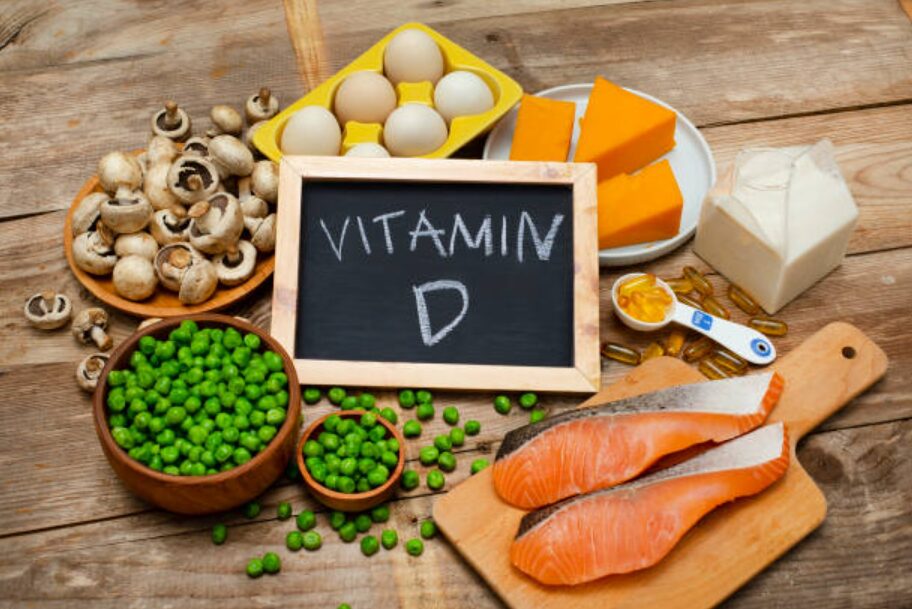
Vitamin D is another critical nutrient for strength, immune function, and bone health. Sunlight exposure is the main source, but many athletes train indoors or live in regions with limited sun. Few plant foods provide sufficient vitamin D, making fortified foods or supplementation necessary for optimal performance and recovery.
Deficiencies in either omega-3s or vitamin D can result in higher inflammation, impaired recovery, and decreased strength over time. Monitoring status through blood tests and adjusting intake accordingly is a proactive strategy for vegan athletes.
Protein Quality, Creatine, and Muscle Performance
Protein quality is a common concern for vegan bodybuilders. Plant-based proteins often lack one or more essential amino acids, particularly lysine and methionine, which are vital for muscle repair and growth. Combining complementary proteins, such as rice and beans or soy and lentils, helps achieve a complete amino acid profile.
Creatine, a compound important for strength and power output, is naturally low in vegan diets since it comes from meat and fish. Creatine supplementation is better for vegan lifters to improve maximal strength, sprint performance, and recovery during repeated high-intensity sets.
Strategies to improve protein synthesis include eating a variety of plant proteins throughout the day, targeting higher protein intakes relative to body weight, and incorporating creatine supplementation alongside resistance training.
Preventing Deficiencies Through Smart Planning
Preventing nutrient deficiencies requires careful planning and strategic food choices. Combining foods to enhance mineral absorption, consuming fortified products, and ensuring adequate caloric intake are foundational strategies.
Targeted supplementation may include vitamin B12, vitamin D, omega-3 DHA/EPA, creatine, and, in some cases, iron or zinc under professional guidance. Regular blood work helps monitor nutrient status and allows adjustments before deficiencies impact performance or health.
Planning meals with a focus on micronutrient density, balancing macronutrients, and timing protein intake can support recovery, hormonal balance, and muscle growth. For vegan bodybuilders, proactive nutrition management is as important as training for achieving long-term progress and minimizing the risk of deficiencies.
With attention to these key nutrients and careful dietary design, vegan athletes can maintain energy, strength, and recovery while reducing the risk of long-term deficiencies. By understanding the specific challenges posed by a plant-based diet and implementing smart supplementation and meal strategies, vegan bodybuilders can optimize performance and continue to make gains safely and effectively.