
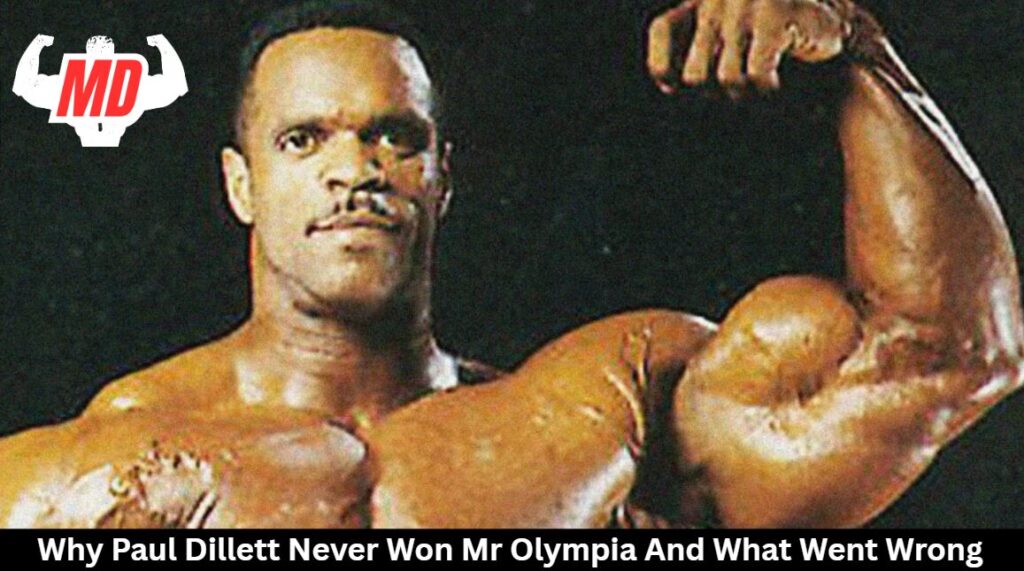
Paul Dillett was 6’2″ tall and had huge muscles, but he never won Mr. Olympia because of four important reasons. His breakdown in the Arnold Classic in 1994 showed that he was quite weak.
Technical posing mistakes hurt his theatrical presence. Inconsistent training and water retention often ruined his body. He couldn’t perform at his best because of mental blocks and nervousness over the competition. The whole scenario shows that even genetic advantages can’t make up for basic flaws in competition.
Dillett’s Genetic Gifts and Competitive Advantages
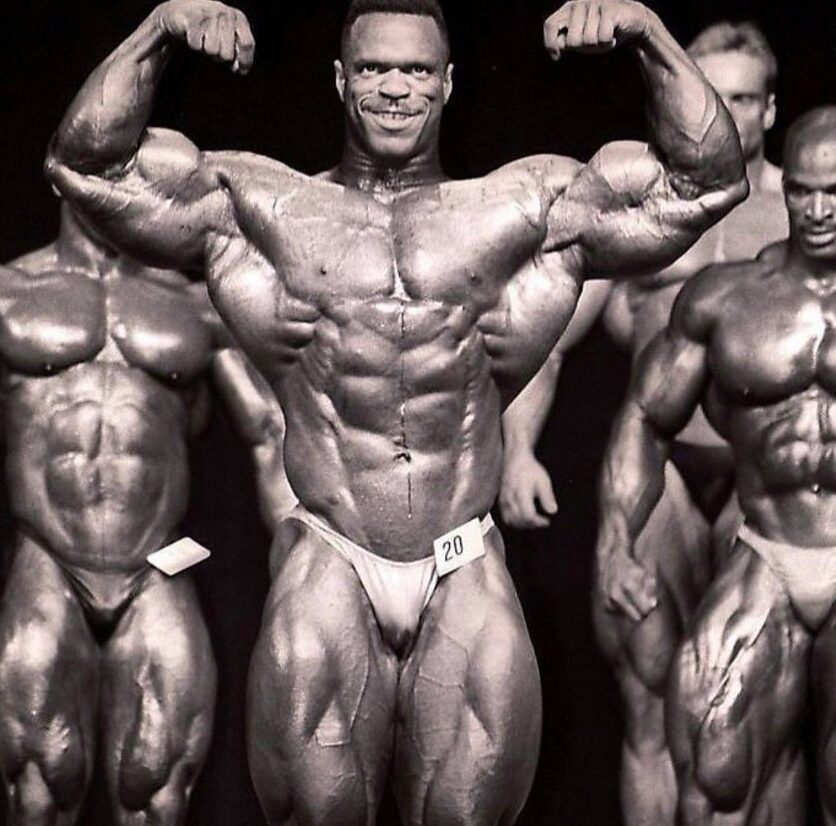
When Paul Dillett went onto a bodybuilding stage, both the audience and the judges couldn’t believe how big he was. Dillett was 6’2″ tall and weighed more than 275 pounds when he competed. He had more muscle than most other competitors in the 1990s.
There was no denying his genetic gifts: huge shoulders, lats that were as wide as barn doors, and freakishly big arms. But it wasn’t his stature that kept Dillett from winning bodybuilding’s top prize; it was the constant conditioning problems that got in the way of his contest preparation.
Judges agreed that he had a lot of promise, but the sport’s judging rules required more than just size. The standards called for balanced muscle symmetry and razor-sharp definition, but Dillett could never seem to get them right when it mattered most, so he was always in the shadow of more complete physiques.
The Infamous 1994 Arnold Classic was His Career-Defining Setback
Many things may go wrong in a bodybuilder’s career, but nothing was as shocking or damaging as Paul Dillett’s fall in the 1994 Arnold Classic. Dillett’s muscles abruptly seized when he was on stage, showing off his mass-monster look among a group of top competitors. The audience gasped as he froze in the middle of his posture and couldn’t finish it.
This event showed that his big body was not as strong as it looked and that trying to get very big without being in peak shape can be dangerous. Dillett did eventually return to competition, but the psychological effects stayed with him, making him less confident in later fights.
In the harsh world of professional bodybuilding, this moment was the turning point that many think kept him from ever reaching his full potential on the largest bodybuilding stages.
Posing Flaws and Presentation Issues
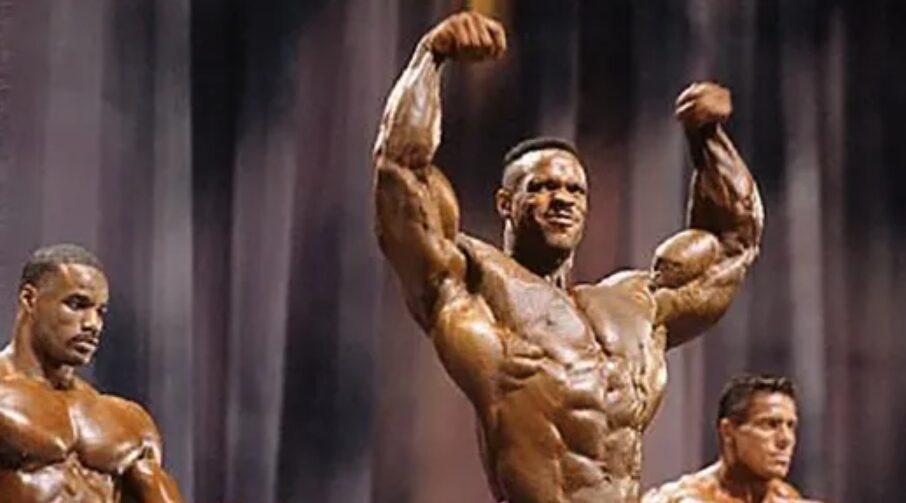
Paul Dillett had one of bodybuilding’s most powerful bodies, but his technical performance on stage often made up for his physical advantages. His posing mistakes became more and more clear as he went up against top rivals who knew how to show off their bodies.
Dillett had trouble with posing endurance, and during mandatory poses that needed him to keep his muscles under control for a long time, he sometimes looked uncomfortable. These problems with the presentation were worse throughout longer prejudging rounds, when judges looked at very small aspects of muscle separation and balance.
His stage performance didn’t have the flow and creative flair that people like Flex Wheeler and Shawn Ray had achieved at the time. These technical flaws slowly hurt his reputation as an athlete because judges grew to expect the same posing mistakes that kept his huge body from winning championships.
Conditioning Inconsistencies
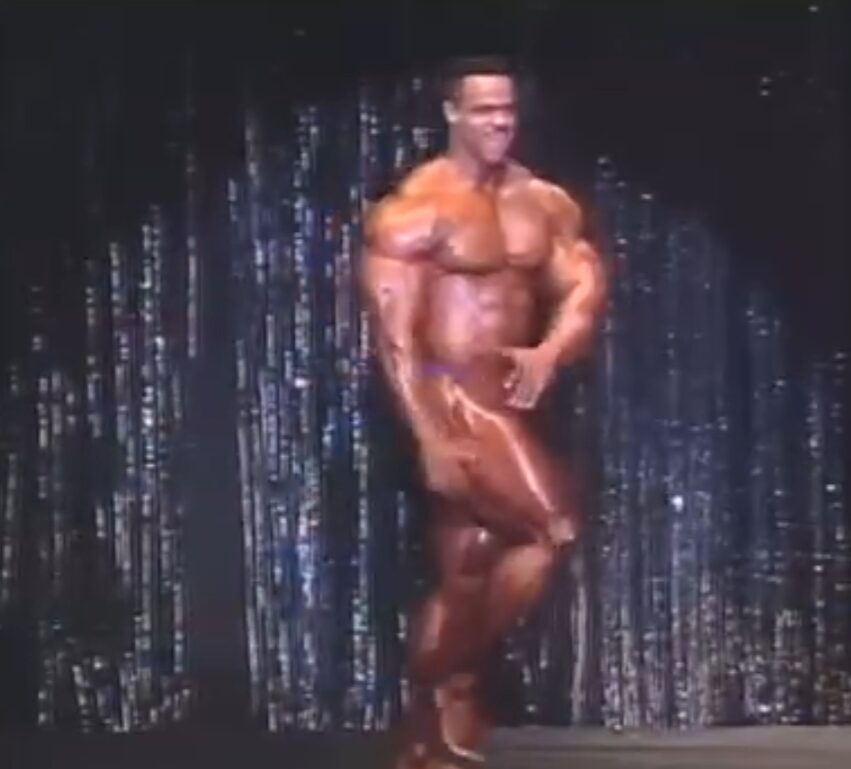
Paul Dillett’s big muscles and strong stage presence couldn’t hide what turned out to be his biggest problem in competition: inconsistent conditioning. His huge stature could easily make him the best in a lineup, but his problems with water retention kept getting in the way of his prospects of winning bodybuilding’s highest accolade.
When you looked at his best and worst performances, you could see the difference. When he was on point, his muscles looked amazing, but too often his prep strategy fell apart in the crucial last days before the competition. These problems with conditioning were made worse by problems backstage, especially his well-known cramping episodes.
Dillett’s body was always changing, unlike champions who always looked their best on contest day. The Olympia judges wanted their winners to have paper-thin skin and granite-hard muscles.
The Psychological Challenges That Derailed His Olympia Potential
Dillett’s mental health was just as important as his physical health when it came to competitive bodybuilding. You can see how his mental state often failed him while he was under the intense pressure of the Mr. Olympia competitions. The high expectations for his huge body made him feel both confident and anxious at the same time.
Not only did he have to be physically faultless during his competitive years, but he also had to be mentally strong. Bodybuilding judges saw that he was clearly tense on stage, especially after the cramping episode in 1994 that changed the course of his career forever.
Many people in the professional bodybuilding world saw that Dillett had trouble getting his mind ready for top performance. He had trouble dealing with stress before the event and staying focused during the important last week of preparations.