
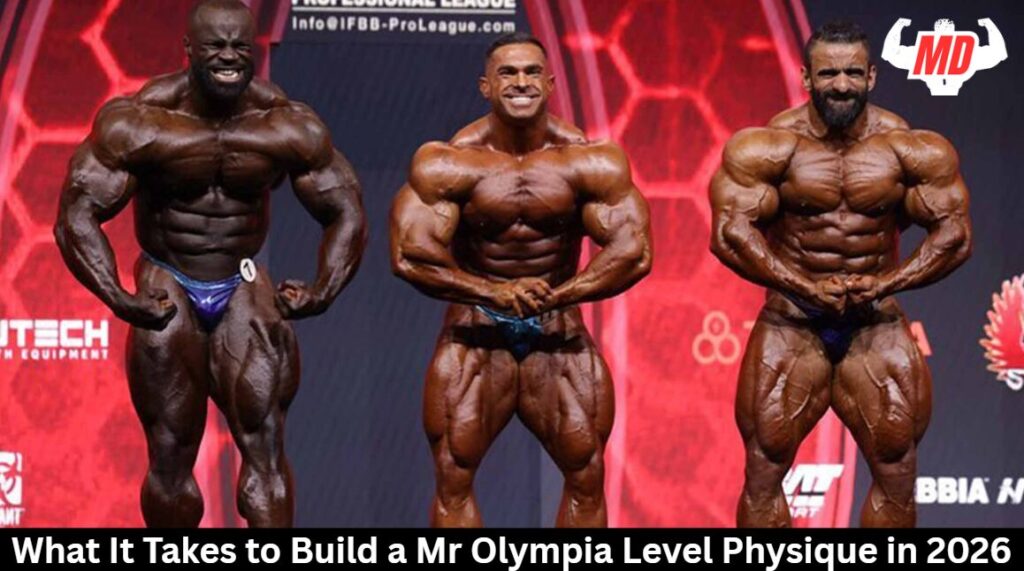
In 2026, to get a Mr. Olympia-level physique, you need to have top genetics and use cutting-edge training periodization and AI analytics. Precision nutrition with planned timing of nutrients, advanced recovery technologies like hyperbaric oxygen treatment, and probably performance enhancement protocols under medical supervision are all things you’ll need.
Your commitment must cover all areas of your life, including sleep, dealing with stress, and years of steady growth. The full blueprint goes into a lot more detail than most of the rivals are willing to go.
Training Like a Modern Mr. Olympia
Bodybuilders have been using traditional methods for decades to make champions, but today’s Olympia-level bodies need more advanced training methods that focus on every part of muscle growth. You’ll need to use scientific training periodization to switch between recovery, volume, and intensity stages at different times of the year.
Progressive overload is still important, but today’s champions use AI-powered analytics to keep track of performance measures and make changes to their resistance training plans based on real-time feedback. This technology finds areas where you’re not developing as well as you could and offers ways to fix them.
Cardio conditioning is more than just steady-state work; it now includes strategic metabolic conditioning that keeps muscles healthy while improving recovery between workouts. Elite athletes now train with exact heart rate zones and oxygen utilization measures to stay ahead of the competition and avoid getting too tired.
Precision Eating Strategies Beyond Basic Macros
Tracking your protein, carbs, and fats is an important part of bodybuilder nutrition. Still, to get to the Mr. Olympia level, you need to be very good at manipulating and timing your nutrients. You’ll need to manage your macronutrients in a way that changes based on your training phases.
For example, you should eat more carbohydrates on days when you do a lot of training and plan to refeed during cutting times.
Nutrition before and after a workout is very important, as is timing the release of amino acids during specific anabolic windows. In addition to the basics, the supplements you take should include specific substances that help your body make hormones and heal cells.
To keep your metabolism from slowing down, you’ll gradually change the amount of sodium, water, and carbs you eat while keeping an eye on biomarkers.
The elite method isn’t just about what you eat; it’s also about when and why you eat it, creating a metabolic environment that helps you keep your muscles while getting in shape for the Olympia stage.

Recovery Technologies Transforming Mr. Olympia Competitors’ Results
Today’s best lifters get an edge over their rivals by using cutting-edge recovery technologies that speed up the process of adapting and healing. To get the most muscle growth between intense workouts, you’ll need to use advanced recovery methods such as hyperbaric oxygen treatment, localized cryotherapy, and AI-driven compression systems.
These technologies are even more important during peak week plan implementation because they help you stay full while getting rid of subcutaneous water. These recovery plans should be a part of your competition training practices to make sure you show off your body in the best way possible.
A lot of people who are trying to win the 2026 Olympia are using neuromuscular electrical stimulation (NMES) between workouts to keep their strength and ability up while keeping their central nervous system from getting too tired. Recovery optimization, not just training intensity, is becoming more and more important in separating winners from others who don’t make it.
The Role of Genetics in Today’s Mr. Olympia Competition
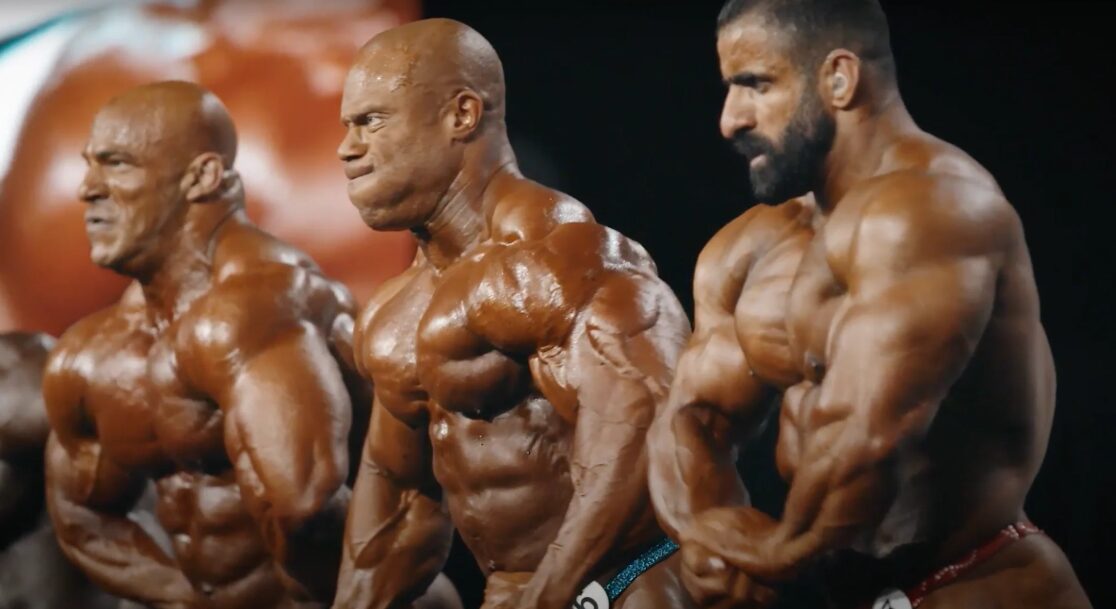
Every Mr. Olympia winner’s journey starts with reality. Even though hard work and training are important, genetics is still the only way to get to the top of competitive bodybuilding.
Your bone structure, muscle attachment points, and natural hormone production set your cap. Today’s Mr. Olympia competitors have some rare genetic benefits, such as a muscled belly, a body that is proportional on all sides, and a metabolic efficiency that lets them get very fit while staying big.
Even if your genes are average, you can get a lot better by posing regularly and working on making your body look better than it really is. Your genetics may limit how close you can get to your peak physique potential, but how you train, eat, and heal is what really matters.
What Top Bodybuilders Are Really Using
When you want to get in shape for Mr. Olympia, your genes can only help you so much. The truth is that top competitors use methods to improve their ability that go beyond what their bodies can naturally do.
Most of the best bodybuilders use planned schedules for testosterone, growth hormone, and insulin, often along with special compounds to help them lose fat before a fight.
The best athletes today use more advanced methods, like tailoring their drug stacks to their genetics, bloodwork monitoring, and specific training stages. They use peptides for focused recovery, SARMs to keep lean tissue, and different thermogenics to speed up metabolism.
The main difference between professionals and amateurs is not just what they use, but also how carefully they follow these protocols under the supervision of a trained medical professional to get the best results while minimizing health risks.